Author: Metta Vipassana

  • Causes and Conditions — How I Came to a Metta Vipassana Retreat

    Causes and Conditions — How I Came to a Metta Vipassana Retreat

    Causes and Conditions — How I Came to a Metta Vipassana Retreat

    As I set out for my first Metta retreat, I find myself less occupied with where I am going than with how I arrived here. The journey that matters most, I’ve learned, is rarely the one on a map.

    It is the invisible trail of small kindnesses, casual encounters, and moments that seemed inconsequential when they happened, yet quietly rearranged the future.

    I think back to a long drive many years ago, from Hyderabad airport to Dhamma Nagarjuna, that remote meditation center resting beside the still waters of the Nagarjuna Sagar dam.

    Three hours shared with an Estonian yogi, Taavi, whom I had given a ride to, and whom I had never met before and would never meet again in quite the same way.

    We spoke, as travelers do, about practice and life and the vague longings that bring one to sit silently for weeks.

    Then, when we arrived, we sat together for a while before the bell rang and noble silence descended like a curtain.

    Forty-five days for him, thirty for me. And that, I assumed, was the end of our brief crossing.

    But life, as always, was quietly taking notes.

    After his longer retreat ended, he called me out of the blue, wanting to travel, to stay connected, to keep moving through India together.

    He came and stayed with me, and it seemed as something subtle had already been set in motion. We became good friends even though we hardly meet or even message.

    Years later, when Luangta came to Mumbai for a two-day teaching, it was Taavi who told me about it. I went.

    I mentioned it to another Vipassana meditation Yogi, Sharmila whom I had met just once earlier, as just another event in a crowded spiritual calendar.

    Yet it was there that I met Sister Sukha, and others walking the gentle path of Metta — some of them seasoned veterans of Goenkaji’s Vipassana, now drawn toward something softer, more relational, more quietly luminous.

    From there, curiosity deepened into inquiry. I read. I listened. I joined online Metta Vipassana retreats.

    Each step felt modest, almost accidental, but together they formed a trail — one that now leads me, years later, to this moment, on the way to my first in-person Metta retreat.

    All of it, improbably, unfolding from a simple act: giving a lift to a fellow meditator on a hot afternoon in Hyderabad.

    The Buddha called it causes and conditions — the invisible threads that keep tying one small moment to a much larger destiny.

    About author

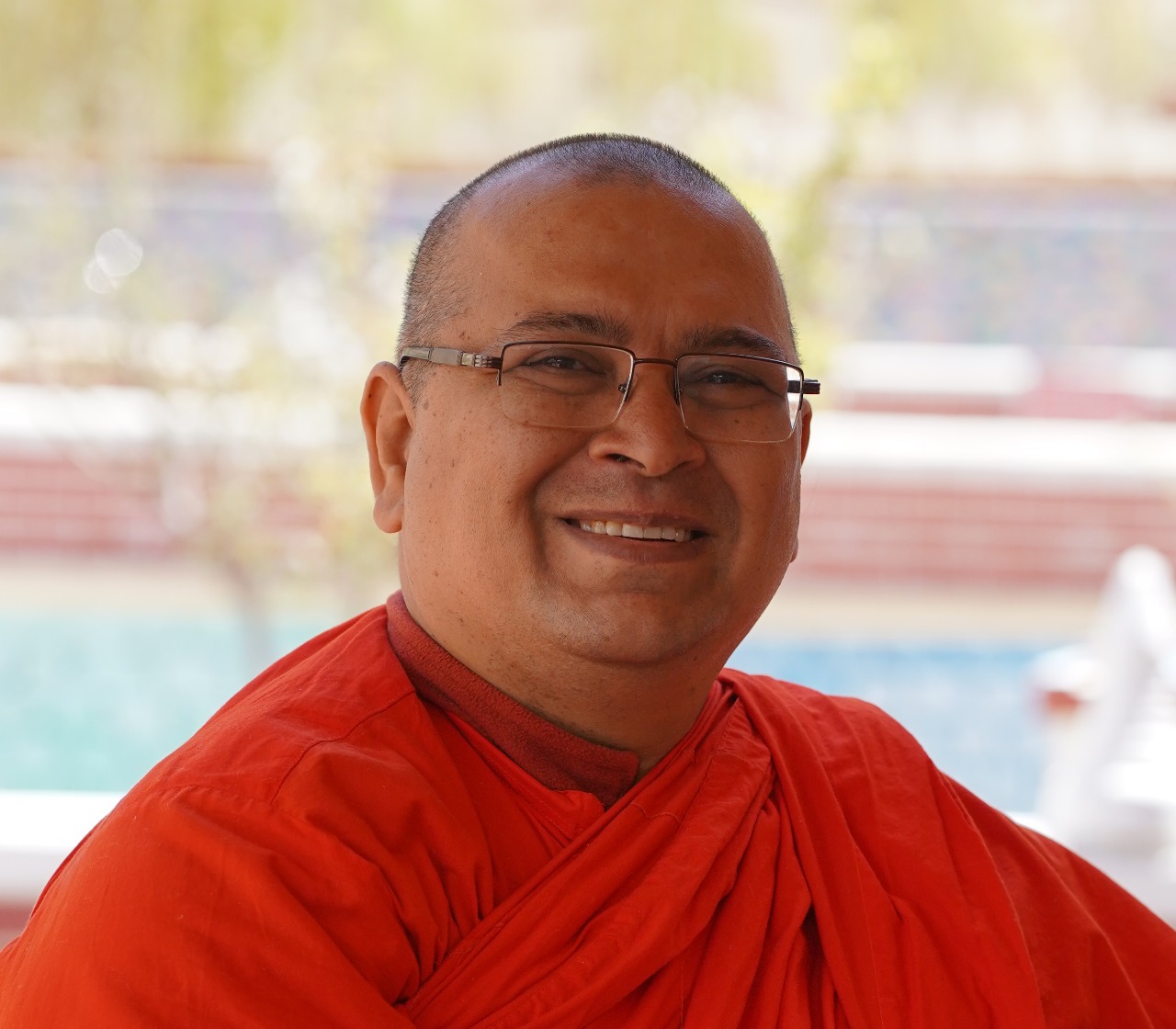
    Reji Varghese is the President of Forms and Gears, a 53 year old Fixture building company in Chennai. He has been a Vipassana meditator for over a decade and is also a guest writer for a number of national newspapers and magazines.

  • Remembering Sister Khanti Khema: Adventure, Dhamma, and Laughter

    Remembering Sister Khanti Khema: Adventure, Dhamma, and Laughter

    This video captures a special memorial meeting celebrating the life and enduring legacy of Sister Khanti Khema (1949–2023).

    The event was led by Bhante Dhammagavesi, who shared his personal interactions and experiences with Sister Khanti Khema. Other participants also contributed their moving and often funny memories, painting a vibrant picture of her life.

    Sister Khema lived an extraordinary life: from studying music and seeing poverty in dictatorial Taiwan, to learning karate and traveling adventurously through Southeast Asia, where she first encountered Buddhism. After a debilitating brain stroke later in life, she found her way to meditation and eventually became a dedicated student of Bhante Vimalaramsi.


    Despite her struggles with memory, her devotion to the Dhamma was absolute – she could accurately quote the ancient scriptures, a testament to her deep realization.

    In this video, you’ll hear inspiring stories of:

    Spontaneity and Service: Her fearless, spontaneous journeys to India and Poland, driven by intuition.
    Physical Sacrifice: Her immense personal effort – including chainsawing trees and building roads—to establish the Dhammasukha monastery.


    Her Unique Teaching Style: The “fiery” nun who was both hilariously unconventional and fiercely clear when teaching the core Buddhist concepts of relaxation and Meta Vipassana.

    Sister Khema’s generosity and dedication were foundational to spreading these crucial teachings worldwide. Join us in remembering a teacher whose legacy continues to inspire seekers with wisdom, laughter, and courage.

  • Finding Inner Peace at Work: Our One-Day Retreat at Bharati Hospital, Pune

    Finding Inner Peace at Work: Our One-Day Retreat at Bharati Hospital, Pune

    Finding Inner Peace

    Our One-Day Retreat at Bharati Hospital, Pune

    On 21st December 2025, the Metta Vipassana Way team conducted a special one-day workshop at the Bharati Vidyapeeth Hospital and Research Centre in Pune. The session, held in Hall E of the old building, was specifically designed for the hardworking ICU doctors and nurses who face high stress and burnout every day.

    Led by Dr. Rohi Shetty and Shubham Mohod, the retreat saw 30 participants come together to learn the “SMILE” approach to meditation. We are deeply grateful to Dr. Shivakumar Iyer (HOD), Dr. Rutala Sonawane, Dr. Digamber Singh and the entire Bharati Hospital team for their excellent management and support. 

    A Day of Learning and Relaxing

    The day started at 8:30 AM with a healthy breakfast, followed by several sessions of Smiling Meditation. The schedule was a mix of theory and practice, ensuring everyone felt relaxed yet focused.

    Dr Shivakumar Iyer explained that the SMILE study stands for Stress reduction with Mindfulness in the ICU makes Life Easy. 

    Dr. Rohi Shetty shared the six steps of Smiling Meditation:

    1. Smile all the time. When you forget, re-smile.
    2. Relax and be cool with the ups and downs of life.
    3. Share your metta (unconditional goodwill) with yourself and others, without any judgment or expectations.
    4. Be mindful of your thoughts.
    5. Let go of any distractions or disturbances not only in your meditation but also in your daily life. And above all,
    6. Don’t take anything personally.

    He explained that meditation is not about “stopping thoughts,” but about Sakshibhaav—observing our mind without judgment. He shared a simple truth: “Smile for no reason to feel happy for no reason.”

    Key Lessons from the Workshop

    During the sessions, the participants learned several life-changing concepts:

    • The Power of a Smile: A smile makes the mind light and attentive. Just like babies communicate through smiles, we need to rediscover this “stranger” within us.
    • Radical Responsibility: We often blame others for our stress. Dr. Rohi explained that while we cannot control what others do, we can control how we react. This is the difference between Paristhiti (circumstances) and Manasthiti (state of mind).
    • The Two Woodcutters: To be productive, we must “sharpen our axe” during rest. Meditation is the tool that sharpens and strengthens our mind.
    • Forgiveness: We learned that forgiving someone isn’t a favor to them; it is a gift to ourselves. It frees us from the “prison” of bitterness.

    Practicing the “6R” Technique

    The workshop introduced the 6R technique from the Tranquil Wisdom Insight Meditation (TWIM) tradition. We didn’t just sit in one place; we practiced:

    1. Metta (Loving-kindness) Meditation
    2. Forgiveness and Gratitude
    3. Walking Meditation in the beautiful hospital campus.
    4. Mindful Eating during lunch, where we focused on our food without distractions.
    5. Breathing Meditation

    Helping Our Healthcare Heroes

    Dr. Rohi and Shubham also conducted one-on-one sessions with the participants. They listened to the struggles of the medical professionals – the long hours, the hectic schedules, and the emotional toll of the job. By teaching them to use the breath as a bridge between the body and mind, the staff learned how to stay calm even in the busy ICU.

    The feedback was heartwarming. Many participants shared that this “smiling and relaxed” way of meditation felt much easier and more helpful than traditional methods.

    As we wrapped up at 4:30 PM with tea and a six-week practice plan, the atmosphere was filled with peace. We are happy to see our healthcare heroes walking away with a smile!