Archives: Organizers

  • Prasanna Krishnamoorthy

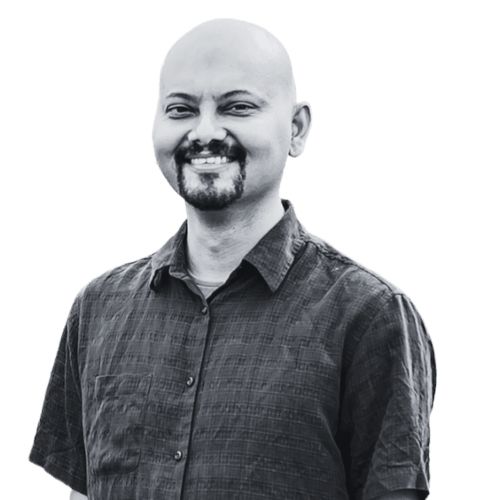
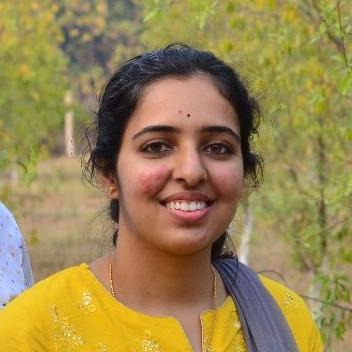
    Prasanna Krishnamoorthy

    Prasanna Krishnamoorthy has been practicing vipassana since 2017 and is a dedicated TWIM practitioner with a daily metta jhana and brahmavihara practice. He has supported multiple TWIM retreats in India.

    His given name means “radiant” or “smiling,” and his startup — Upekkha, a B2B SaaS accelerator — is named after the fourth brahmavihara. The dharma runs through his life in ways both quiet and visible.

    His deepest interest is in awakening for all sentient beings.

  • Rajmahendra Hegde

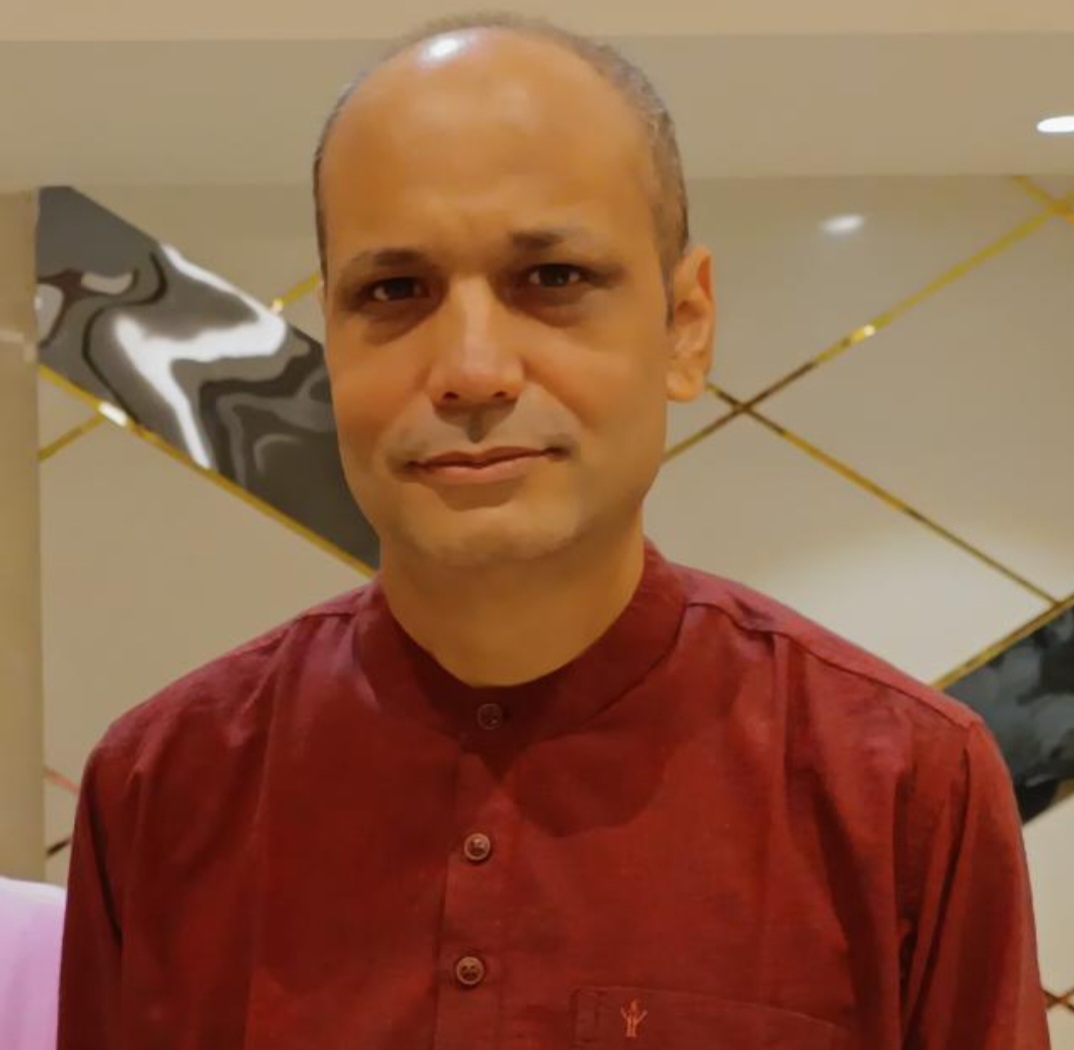
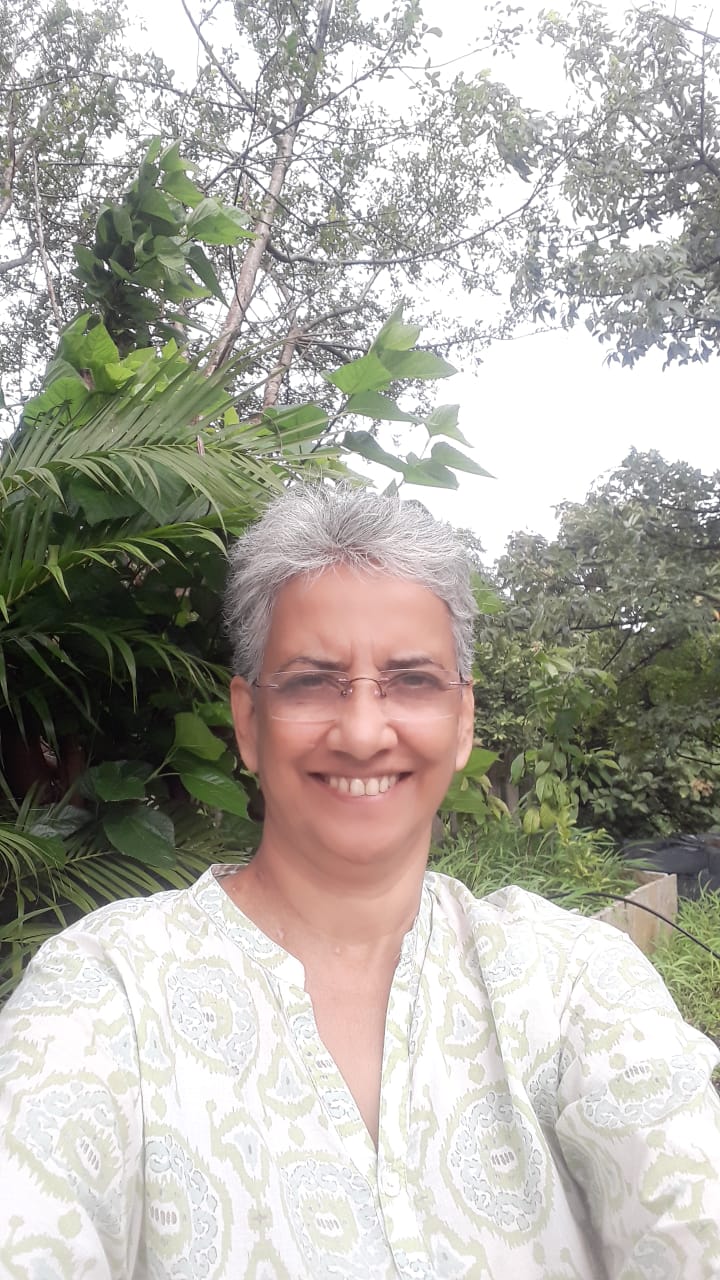
    Rajmahendra Hegde

    “Raj, bhakti’ school is not for you. You must explore the Indian schools called Darshana. I’m sure you’ll agree with at least one—maybe even four. Just read the source, not the interpretations.”

    These were the words of an old German man during my first Vipassana course under Shri S.N. Goenka, nearly two decades ago (2011). Like many, I began my spiritual journey through religion. But as the wise say, “Spirituality begins where religion ends.” I’m a rationalist by nature—I question everything. Religion didn’t satisfy my queries. Bhakti didn’t convince me, but I found deep insights in Sankhya, Raja Yoga, Vedanta, and Buddhism. Today, I stand shaped by Vedanta through Sri Ramakrishna (Vivekananda, Adi Shankara). Which Vedanta? You know it… Advaita. And Dhamma through the Buddha. I know it’s a weird mix, but I love how these two sync. Puritans of both may not agree with someone like me—but that’s okay. Appa Deepo Bhava. My teacher encourages: Be your own light.

    Hello and welcome! I’m Rajmahendra—born and raised in Chennai, with native roots in Udupi. I come from a semi-orthodox religious family, but I’ve always been a rationalist at heart. Professionally, I’m a software engineer-Java developer and then Agile Coach. I started as a developer and eventually moved into coaching product and teams on how to be agile. While coaching companies and teams, people began turning to me as a life coach too! Want to know more? Just poke me with questions—I might have an answer. 

    Before TWIM (Tranquil Wisdom Insight Meditation)

    During the COVID lockdown—I’m not sure how it changed others, but for me, it made me question my beliefs to the core. That period gave me time to reflect deeply and explore various spiritual paths.

    Later, my quest returned to the Darshanas. In my personal library, I have at least one book from each Darshana. I studied Raja Yoga and completed 700 hours of training from three different schools. In my send-off talk, my teacher said, This guy came for Raja Yoga but left with a yoga certificate and allied extra knowledge of Vedanta.

    Who said knowledge has boundaries? Hmm.

    TWIM Introduction

    My introduction to TWIM  came through Dhamma Sukha USA. While browsing YouTube to learn more about Buddhism, I discovered Bhante Vimalaramsi’s talks. One story touched me deeply—about an elderly woman afraid of death. Bhante advised her to help animals: buy a bird, take it far from the city, and release it with loving-kindness. After doing this regularly, she returned saying, “Now I’m happy and no longer afraid of death.” That story stayed with me, though I didn’t know there was an Indian branch of Dhamma Sukha at the time.

    Present Day TWIM

    Two years ago, I stumbled upon Dhamma Sukha India and saw Bhante’s photo there too. I don’t believe in fate, but somehow life brought me back. In early 2025, I joined two online retreats, which convinced me to take up TWIM as my personal practice. After attending residential retreats, I now feel TWIM is my path.

    The Buddha’s teachings answer most of my questions. I say “most,” not “all”—because as the Buddha said, “Appa Deepo Bhava” (Be a light unto yourself). I still have questions, but I’m deeply convinced of the Dhamma.

    Why Teaching?

    “Bahujana-hitāya bahujana-sukhāya”For the welfare of the many, for the happiness of the many. – Buddha
    “Atmano Mokshartham Jagat Hitaya Cha” For one’s own salvation and for the welfare of the world. – Swami Vivekananda

    Reading books gives theoretical knowledge. Sadhana gives personal experience. When both come together and are shared, society benefits. And when someone questions your beliefs, it’s a chance to sharpen your understanding.

    I love to bring all three—study, practice, and sharing—into action. The only way to do that is to teach others. I enjoy meeting new people, hearing their views, and learning through their life challenges.

    So I’m not here just to teach—I’m here to learn and grow together. Feel free to connect with me. Let’s have meaningful conversations about Dhamma and practice.

  • Hugh Poulton

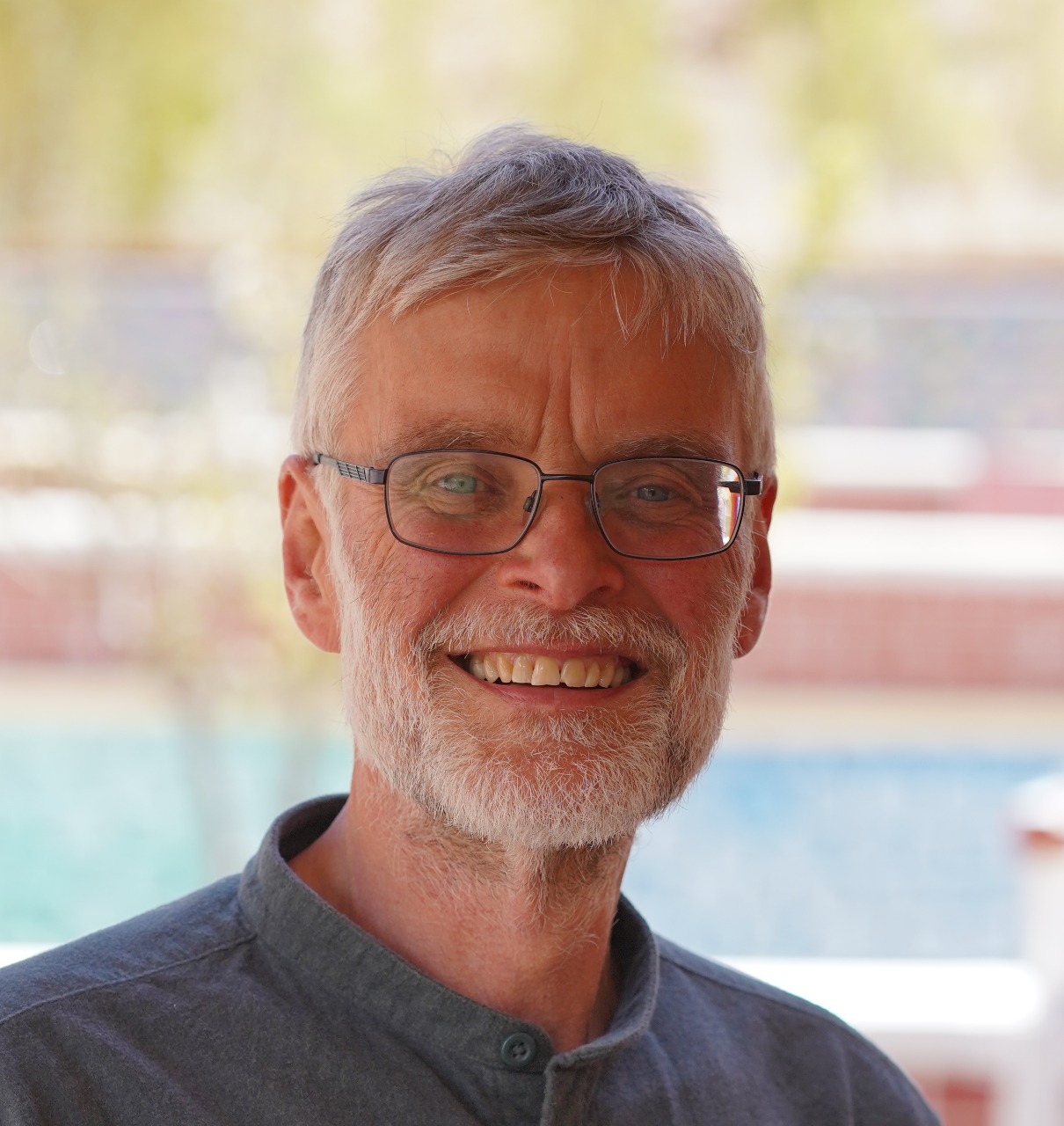
    Hugh Poulton

    From my first encounter with Buddhism when working in my 20’s in Asia, to co-teaching the first secular mindfulness courses in 2008 at the Oxford Mindfulness centre more than 25 years later, Buddhism has been a foundation of support and enquiry throughout my adult life.

    For more than 20 years I practised in the Mahasi meditation tradition, experiencing all the stages of insight and was invited to introduce it to beginners by my monastic teachers. I found the rigour, discipline and insight of this practice had a positive impact in many areas of my life and work, but the learnt capacity to withstand levels of emotional, physical and mental pain ultimately was not an aid in my personal life.  It was my experience that the subtle suppression of unwholesome states of mind, I’d become so adept at in formal practice, held a buried tension that was incompatible with finding balance in my life.

    Meeting Tranquil Wisdom Insight Meditation in 2008 started a deep process of healing, and a lot of change happened very quickly. My yoga practice, which I’d also had since my 20’s transformed into a much more subtle somatic relationship to internal experience. I learnt to embody loving kindness and compassion when meeting tension and this encouraged balance in form and movement in a way that was also a healthy model for daily life. So much fell away from my Yoga practice and life that was imbalanced and this included my relationship at that time. In the place of habitual tension and willed strength, a new way forward emerged that was rooted in loving kindness, compassion and balance, and this felt sustaining and wholesome.

    This experience is one for which I will always have huge gratitude for the genuinely radical teaching of the Buddha and to Bhante Vimaralamsi for his insights to bring it to life today in a way that is immediately effective as the Suttas describe. Not only was my life directed towards the wholesome in an integrated way – mentally, physically, energetically and spiritually but the training also aligned with the transcendent path described in the Suttas.

    Over the years I’ve been fortunate to attend more than a dozen retreats, some online but mostly face to face with Bhante Vimalaramsi, Sister Khema and more recently Bhante Dhammagavesi. Since 2017 I’ve also taught Yoga on TWIM retreats not only to support greater comfort and ease for students whilst sitting but increasingly as a complement to the TWIM teaching, providing a embodied TWIM practice that shows how to use the body as an aid to the practice without creating attachment. The Yoga I share today is called Sukhita Yoga. Sukhita is a name given to me by Bhante Vimaralamsi as a reminder to smile more. It is a joy and relief that the relax and smile step has become a constant presence for me and all those I share the practice with in this way.

    In 2022, I had the opportunity to co-teach a 10 day TWIM retreat in Poland with Sister Khema where we also explored the benefits of Sukhita Yoga with the students.  After this experience Sister invited me to teach 10 day online and in-person retreats. I am looking forward to sharing this wonderful teaching with all who are curious about the path of development and transformation that comes from their direct experience as the Buddha taught.

  • Sachin Gudas

    Sachin Gudas

    Before TWIM

    I, Sachin Gudas, Got education in native place with spiritual inclination through parents and family members through visiting Temples and praying. I have been reciting mantras since childhood and continued the same till 2011.

    In 2011, on advice of my brother Savan Kumar Gudaas I started a spiritual journey in meditation by attending a 10 Day Vipassana Retreat at Dhamma Khetta, Hyderabad. Subsequently, continued practice of Vipassana Meditation and attended 3 Nos – 10 Day Vipassana Meditation Retreats at Nizamabad, Igatpuri and Hyderabad for a period from 2011 to 2019. In the course of practice, I have started learning about meditation aspects.

    TWIM Introduction

    In 2019, my brother has Suggested for practicing TWIM as taught by Bhante Vimalaramsi having relax and smile steps, from 2019 to till date continuing practice. Got inspiration from dhamma talks of Bhante Vimalaramsi, Delson Armstrong, Ajahn Dtun and other teachings from Sangha and Dhamma friends. During practice I have noticed changes in habitual tendencies and changed the way of looking at things. TWIM practice is making happy to self and all beings. I am gratitude to all TWIM teachers, Buddha, Dhamma, Sangha and all beings.

    In 2018, got married and blessed with Baby Saachi, as the baby started growing, we have known that she is having a Genetic Disease with which her health is deteriorating. Presently, she is having G Tube feeding. Due to TWIM practice, we were able to understand life’s birth and death cycles, and today we are happy even with the Baby genetic disease.

    I have attended “following 10 Day physical retreat 

    1. 10 Day Retreat at Yavatmal, Maharastra, India, with Bhante Ananda – Nov-2022

    2. 10 Day Retreat at Buddhapada Institute, Kalimpong, West Bengal with Delson Armstrong – Aug-2023

    3. 10 Day Retreat at Buddhapada Institute, Kalimgpong, West Bengal, with Bhante Dhammagavesi and Hugh Poulton” – May-2024

    4. 10 Day Retreat at Mahabodhi Society, Bangalore, with Bhante Dhammagavesi and Hugh Poulton – Jan – 2025

    I have been implementing TWIM practice in daily life by keeping a smile, practicing generosity and sharing happiness to all. I am looking forward to guiding this Dhamma for the benefit of all beings.

    Wishing happiness to all beings

  • Sindhu Dhondi

    Sindhu Dhondi

    Before TWIM

    My initial spiritual journey started by following the guidance of my parents. I used to visit religious places and often used to pray that everyone should be happy.

    Earlier I used to think why all the things keep changing and why all people suffer, and I was looking for happiness in the outside world. I used to get angry if the things were not the way I wanted them to be.

    I was going through a lot from the changes that happened to my life, My Wedding, Married Life, New Place and More., My husband used to meditate, I was not interested in meditation, I didn’t foresee that I will be practicing meditation, but I was not happy as well.

    Then We were blessed with a child and after 2 years of her birth, she was diagnosed with the rare genetic disorder and left everyone in the family in pain. This changed everything from then on

    It took some time to accept the truth that we are born to die.

    TWIM Introduction

    My inspiration was from my brother-in-law who was calling home every day and used to share his experience regarding TWIM and the fun part of mediation using a smile and I was curious about the practice -“meditation with happiness and smile”, slowly I started to meditate, this gave me so much happiness and joy.

    I have started reading and understanding the book “life is meditation and meditation is life” by Bhante Vimalaramsi. Gradually over a period I have started to notice changes in my habits, the things that used to make me angry didn’t bring anger anymore.

    Slowly by Learning the Teachings of Buddha and accepting the Truth, Now I take the precepts and Three Refuges every morning. The most interesting part that I felt about the practice of the TWIM is that your Life and Meditation are one and same.

    Now that I practice TWIM, my understanding of happiness has changed.

    Present Day TWIM

    Practicing TWIM for more than 3 years now, TWIM has helped me in understanding the nature of the mind and our own existence in the world. We share Metta with our daughter daily and share loving kindness to everyone around us.

    Now the mind doesn’t look for material happiness, which is impermanent and suffering. I have learned to accept the reality and try not to fight it. Now I’m actively making an effort to bring the factor of Dana which is generosity, in the life by way of body, speech and mind.

    I have attended two TWIM Online Retreats, a physical retreat at Bodhgaya.

    Currently participating in Sunday /Wednesday Dhamma Talks and Discussions, TWIM Asia, TWIM Australia Groups

    May all beings be happy.

  • Shubham Mohod

    Shubham Mohod

               The seeds of the Dhamma  (The Buddha’s Teachings) were sown by my Parents when I was 8 years old. My parents requested to a Senior Buddhist Monk and ordained me as a Samanera (a young renunciate). I feel, that was the beginning of my Spiritual Journey.

               Coming to the back-ground, I have completed my Schooling from a Small-town in Maharashtra, India.  Like most of the small-town boys, I also had a Bucket list of Dreams. So I started working for my Goals (Mostly Materialistic Desires then) , and completed Computer Engineering from a reputed college in Mumbai University. Then started working for an MNC and achieved everything I wanted and accomplished the bucket list.

    But I had a feeling that even though I was happy; there was still a void.  Meanwhile the First Noble Truth preached by the Buddha encountered in my Life in the form of Discontent.  So, having many  Questions and Curiosities about Life, I started visiting different Spiritual Places like the Churches, the Mosques and the Temples. Being a soft hearted personality and Confused Mind I used to attentively listen to these Spiritual Leader’s Talks and Stories , then too, I was not satisfied with their impractical and Superstitious Notions and their solutions too!

        One of my friend suggested me to join a Vipassana Meditation Course at Igatpuri, Maharashtra.  As per his advice I attended and Served in many Vipassana Courses including Satipatthana Retreat. And I feel Ecstatic and Grateful for S.N. Goenka Guruji and all my Spiritual Friends who helped me proceeding in the Dhamma. After practicing this plain Vipassana for couple of years I got insight to many queries but I wasn’t much contented because of the Slow-Progress in Meditation.

        In this way I got introduced to practice of TWIM (Tranquil Wisdom Insight Meditation) through one of the Spiritual Friend. I found this technique suitable for me and applicable in daily life. So I started serving and attending different TWIM Programs under the Guidance of Ven. Sister Khanti Khema, Ven. Bhante Dhammagavesi and most of the  honorable Teachers  who explained me all the links of Pratityasamutpada (Dependent Origination ) in details. When I started applying this technique of 6R (Right Efforts)  in day to day problems, it helped me a lot in different situations of both Personal and Professional Life.         

    Experience of dwelling in the BrahmaViharas (Loving Kindness – Compassion – Altruistic Joy and Compassion – Equanimity) by using this tool of TWIM is amazingly helpful. Because of this wonderful teaching of the Dhamma, I got a new Perspective and Insight about this existence. Now I feel Peaceful, Contented and Grateful to this life, irrespective of the external ups and downs of life. This is just a beginning. I am very much  confident that, if we follow and practice the instructions religiously we will experience the blissful state of mind soon

    So I feel from the bottom of my Heart that everyone should experience these blissful states, become Happy, Contented and proceed in the Buddha’s Teachings by using  this tool of TWIM.

    MAY ALL BEINGS BE HAPPY !

    May You Keep Smiling , May You Keep Radiating: Metta, Karuna, Mudita and Uppekha!

  • Mrs Manjula Bhosale

    Mrs Manjula Bhosale

    Spiritual Journey

    With profound respect and gratitude to Acharya S. N. Goenkaji and Bhante Vimalaramsi, here is my spiritual journey…

    My parents inspired my interest in meditation and spirituality at an early age. I was introduced to meditation as a child by my grandmother, who meditated regularly.

    I am blessed to have met Swarupanand Swami ji at Pawas–a Siddhahasta Yogi – in early childhood. I have also been practicing and teaching yogasanas for over 30 years.

    My aunt introduced me to Vipassana in 2005. After completing numerous Vipassana courses, I was appointed as an Assistant Teacher of Vipassana in 2011. I assisted over 55 ten-day Vipassana courses, including courses for teenagers, until 2023.

    My friend Dr. Rohi Shetty introduced me to TWIM, and I joined a TWIM retreat in June 2023. I was impressed by the simple technique, especially the 6Rs and using the Brahma viharas as the object of meditation. 

    After two trainings at TWIM with Ven. Bhikkhu Dhammagavesi Thero, Hugh Poulton, and Dr Madhusudan Cherekar, I accepted the responsibility to serve as a TWIM guide in January 2024.

    I have been serving residential TWIM courses in Pune since then.

  • Dr (Major) Madhusudan Cherekar

    Dr (Major) Madhusudan Cherekar

    Dr (Major) Madhusudan Cherekar was born at Ahmedpur district Latur in state of Maharashtra in India on 24th sept 1970.He had his schooling there and completed MBBS from Govt Medical College, Nanded; served in Indian Army as Medical officer for five years and now practicing medicine at his hometown.

    His spiritual journey started in very early childhood under the influence of his mother. He came into contact with Goenkaji’s meditation in December 1989 and he practiced and served many retreats at Goenka centres till 2018. In Dec 2018 he started practicing TWIM and was very pleased with the progress he made using it in life. He was granted permission to teach and began conducting online retreats under guidance of Mataji Sasanadipika Ven. Khantikhema since August 2021.

    He assists as a translator into Hindi for any English speaking teachers.

    He also taught physical yoga and had received Yogratna award for same.

  • Bhikkhu Dhammagavesi Thero

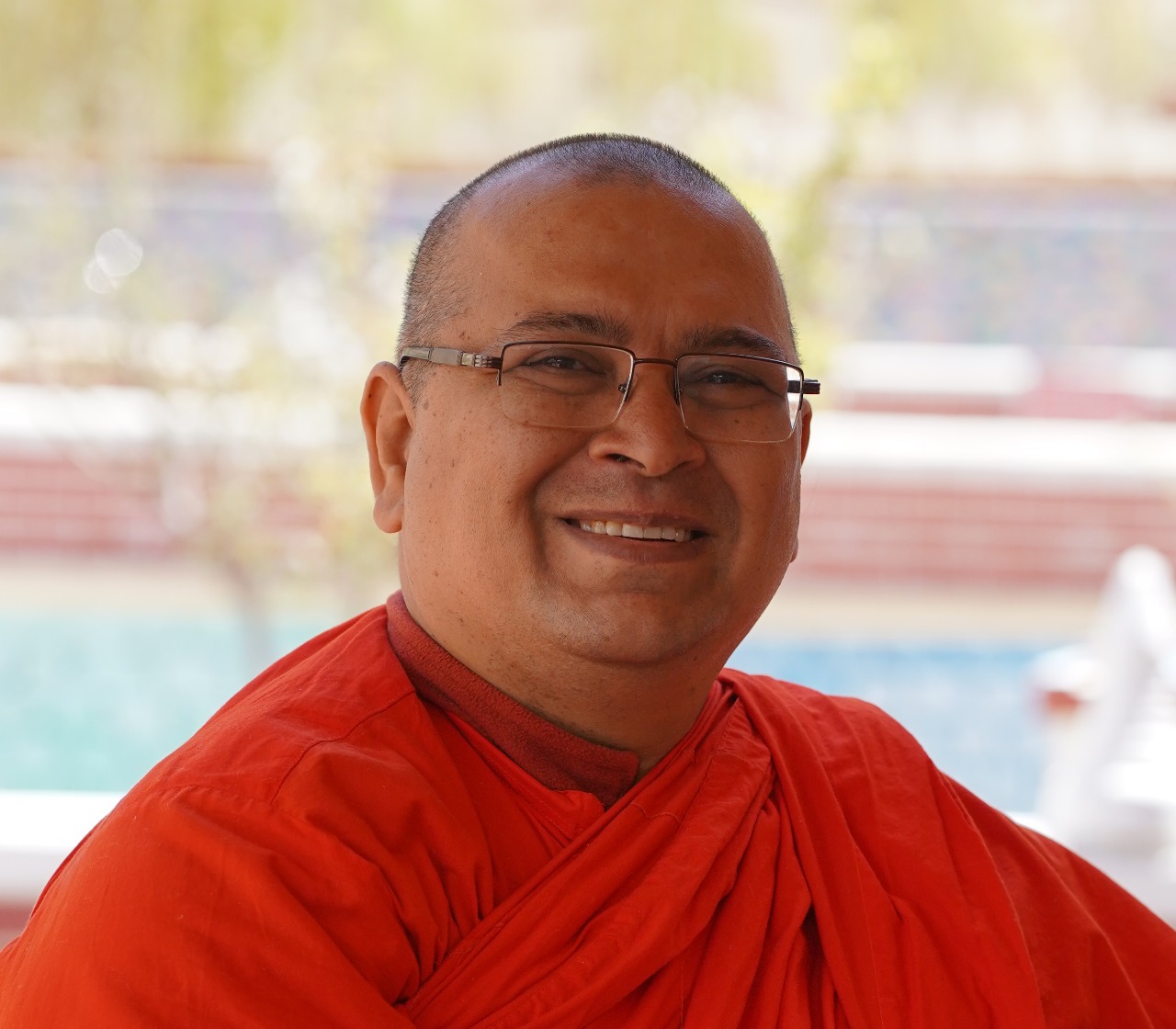
    Bhikkhu Dhammagavesi Thero

    Ven Bhikkhu Dhammagavesi Thero is an Indian Buddhist monk and teacher devoted to the practice and transmission of Tranquil Wisdom Insight Meditation (TWIM) as rediscovered and taught by Venerable Bhante Vimalaramsi.

    Early Years and Search for the True Dhamma

    Born in India, Bhikkhu Dhammagavesi began exploring spirituality and meditation early in his adult life. His search for truth led him through a series of traditional Vipassana courses (ten in total) conducted in Mumbai, India, where he cultivated strong discipline and mindfulness. However, despite dedicated effort and years of sincere practice, he began to sense that something essential was missing — a natural ease, joy, and clarity that the Buddha described as integral to the path of awakening.

    In 2013, this search brought him to Wat Pah Nanachat, a renowned international forest monastery in Thailand established under the Thai Forest Tradition of Ajahn Chah. Immersed in monastic discipline and daily meditation, he gained a solid foundation in the Vinaya (monastic rules), chanting, and Dhamma study. For over one and a half years, he lived and practiced in this rigorous environment, but even there he noticed that meditation seemed effortful and progress plateaued. The practice felt incomplete, leaving him yearning for a direct and joyful connection to the Buddha’s original teachings.

    Discovery of TWIM and Ordination under Bhante Vimalaramsi

    In 2016, Bhikkhu Dhammagavesi encountered the teachings of Bhante Vimalaramsi, who had rediscovered the Buddha’s original meditation method through a careful study of the Pāli Canon. Bhante Vimalaramsi emphasized relaxation, smiling, and loving-kindness (mettā) as the key elements in the meditative process — a refreshing and deeply transformative approach compared to the more striving styles he had known before.

    Inspired, Dhammagavesi Thero left Thailand to attend a Tranquil Wisdom Insight Meditation (TWIM) retreat in Bali, Indonesia, led by Bhante Vimalaramsi himself. During this retreat, he experienced a profound shift in his understanding: meditation could be gentle, joyful, and yet lead to deep states of stillness and insight. The Six Rs — Recognize, Release, Relax, Re-smile, Return, and Repeat — opened the way to effortless progress and the direct experience of the Seven Factors of Awakening.

    Following the retreat, he decided to dedicate his life to this path and ordained as a novice monk under Bhante Vimalaramsi. Soon after, Bhante encouraged him to continue training under Venerable Khanti Khema in Sri Lanka, where he refined both his meditation and understanding of the Dhamma. In 2017, he received higher ordination (Upasampadā) in Penang, Malaysia, during Bhante Vimalaramsi’s Dhamma tour in Asia.

    Spreading the Light of TWIM in Asia

    After ordination, Venerable Dhammagavesi began supporting the mission of Dhamma Sukha Meditation Center (DSMC) in Asia. As Co-Director of Dhamma Sukha India’s Asian Projects, he helped to establish the Samatha-Vipassana Trust in Mumbai, a registered organization dedicated to organizing retreats, teacher trainings, and Dhamma tours for Bhante Vimalaramsi and Ven. Sister Khema throughout India and neighboring countries.

    His work included coordinating TWIM retreats in Sri Lanka, Malaysia, Indonesia, Nepal, and India, and introducing hundreds of new practitioners to the gentle and effective method of the Buddha’s original meditation. Venerable Dhammagavesi also began teaching online, offering one-on-one guidance and coaching to students around the world, always emphasizing kindness, ease, and the joyful unfolding of wisdom.

    Teaching and Vision

    By 2022, Bhikkhu Dhammagavesi began leading his own retreats and sharing the Dhamma independently. His teaching style reflects the same balance of wisdom and compassion that characterizes the TWIM lineage: gentle encouragement, humor, clarity, and a deep respect for the suttas as the Buddha’s living word.

    His long-term aspiration is to establish a permanent TWIM monastery and meditation center in India, serving as a base for training future monastics, teachers, and lay practitioners. His vision is to restore the Buddha’s original teachings in their complete form — combining calm, insight, and loving-kindness — and to ensure that they continue to flourish across Asia for generations to come.